What is Prototyping in Design?

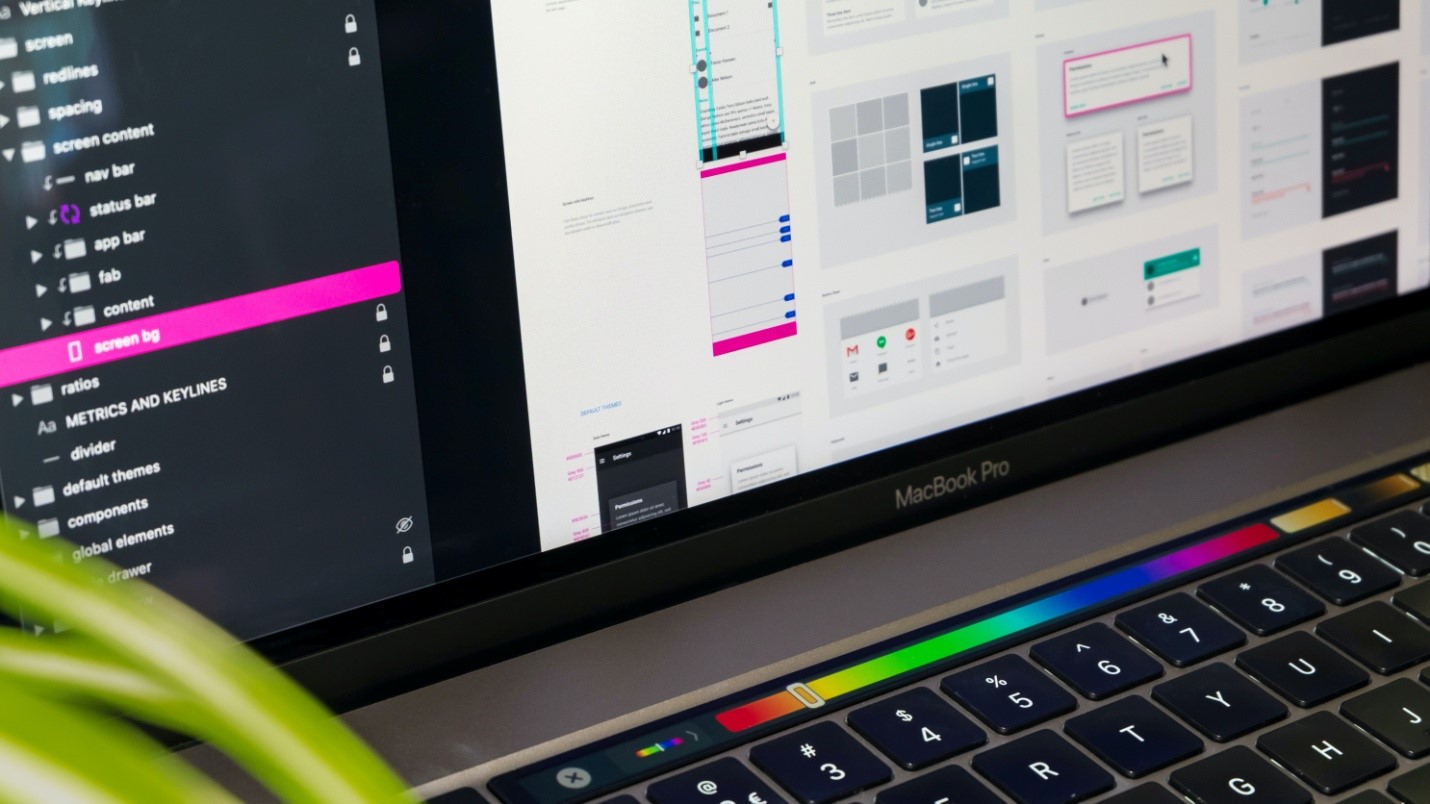
One of the most popular phrases in the world of design from IDEO states that “ If a picture is worth a thousand words, a prototype is worth a 1000 meetings”. Whether it is plain experimenting or turning your vision into something tangible, prototypes assist in testing and building while preserving overall design consistency. The most basic definition of prototype is: “A simulation or sample version of a final product, which is used for testing prior to launch.” A prototype aims to test products and product ideas before sinking lots of time and money into the final product. Prototypes are an essential part of designing user flows and interfaces. They allow designers to show their design through an interactive and engaging product, resulting in a better understanding of the design for everyone involved. Instead of using static screens to gather feedback, stakeholders and potential customers are able to click through a sample of a product on the device that it is intended to be viewed on. Prototypes can be created at any stage of the design process to help demonstrate ideas that might be difficult to express with words alone.

Advantages of prototyping

Realistic interactions - You’re able to test how the user interacts with an environment comparable to the final product (depending on fidelity). Flexibility - Test early and test often! You can start with lo-fi prototypes that become progressively more advanced as the design process moves forward. Speed -  Prototyping saves time. It allows designers to quickly test out multiple ideas before committing to having developers code them. It also reduces the need for written explanations of a design. A prototype is worth a thousand static pages with documentation on how they’re supposed to work. Gather feedback - Prototyping is also an impactful way to present to your client. People know how to interact with products. Demonstrating interactions with a prototype helps to spark well-informed discussions with clients and can lead to better design more quickly. The prototyping process allows you to test product features, manufacturing methods, and user experiences before full-scale production. The feedback and information you gather from prototype testing is crucial in implementing and launching a successful product. The faster you prototype, the faster you can test, improve, and launch into the market. Rapid prototyping is an opportunity to enhance your project into an intuitive and user- focused product.

You may also like

June 13, 2024

Bugs and Scalpel Slips: Why Software Development Demands Surgical Precision

A surgeon and a programmer walk into a bar. But it’s not the start of a joke—it’s a scenario highlighting both professions’ weighty responsibilities. Surgeons, with their scalpels, work with life and death hanging in the balance. Armed with code, programmers might not hold lives in their hands, but their mistakes can still wreak havoc […]

June 17, 2024

Quests in Code: Is Game Development the Ultimate IT Career Move for You?

Game development has captured the imagination of IT students and professionals alike. The video game industry, now a multi-billion dollar behemoth, is booming like never before.  But why is it suddenly the talk of the tech town? Is it the allure of cutting-edge tech or the tantalizing promise of dream jobs? Get ready to find […]

June 10, 2024

Staying Motivated in the IT: Student's Guide

Securing a job in the IT field can feel like trying to crack the toughest code, especially without prior experience. That’s where internships and practical experience come into play, acting as the perfect stepping stones for your career path.  At Lilly021, we’ve noticed some young tech enthusiasts feeling a bit blue, likely due to market […]